


TL;DR
- From 23 October 2026, OCBC Global Savings Account holders can keep up to RM50,000 in ringgit and earn a small amount of interest.
- Convert only what you will spend in the next few months. The interest is 1% p.a. until June 2027, then 0.5%, so it will not make you money.
- It is a bank account, not an insured one: SDIC does not cover foreign currency deposits.
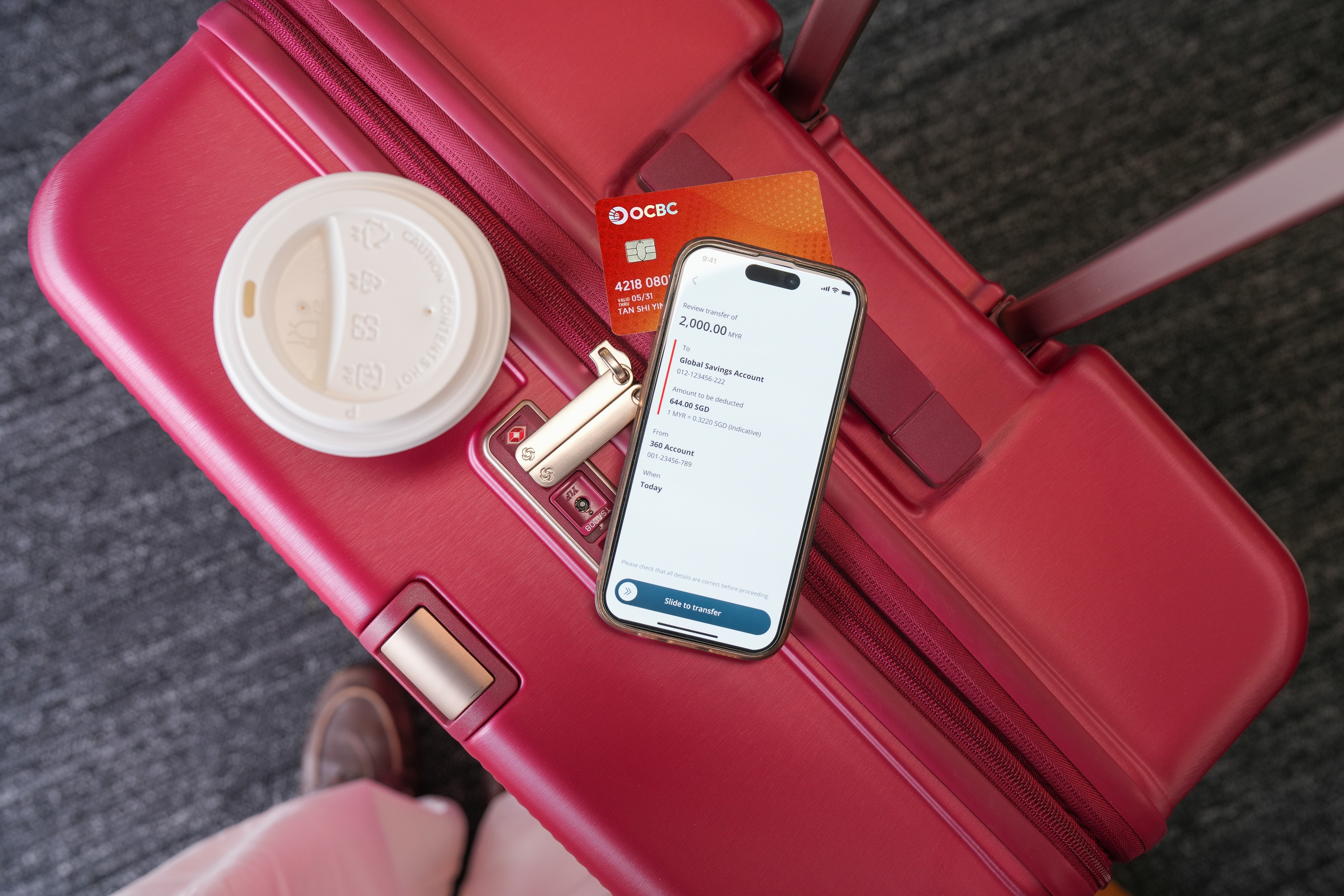
Yes, if you cross the Causeway often enough that money-changer queues and card mark-ups annoy you. From 23 October 2026, OCBC Global Savings Account holders can convert Singapore dollars to ringgit, keep up to RM50,000 and spend it in Malaysia with a linked debit card. For a once-a-year trip, a travel wallet or cash is simpler.
What actually changed on 23 October?
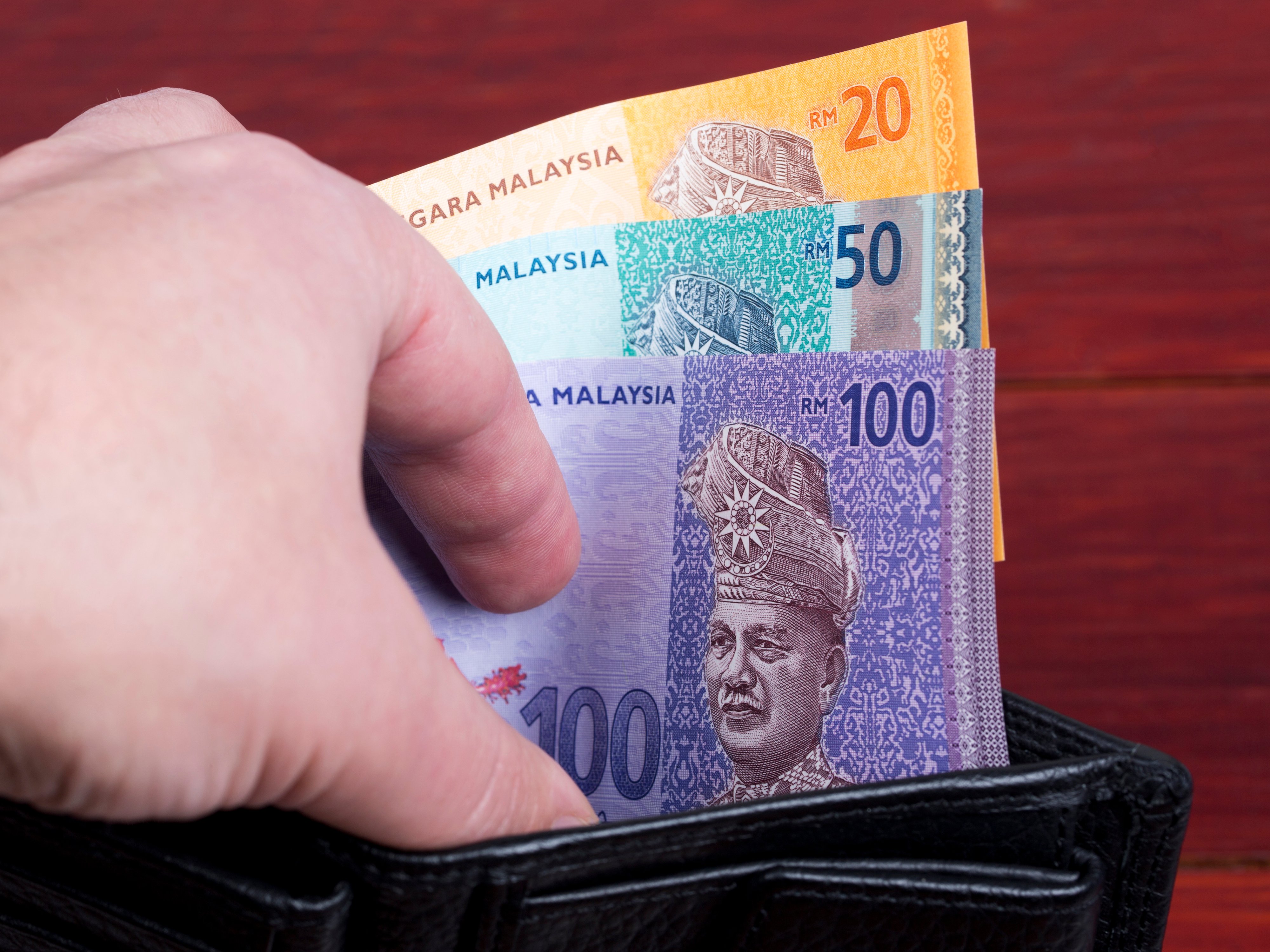
Until now, you could not keep ringgit in a Singapore bank account. The ringgit is a non-internationalised currency and Bank Negara Malaysia does not recognise offshore trading of it, so banks here stopped at dollars, yen and the usual majors. Travel wallets such as YouTrip added a ringgit wallet in 2025, but that is an e-money balance that earns nothing.
OCBC is the first non-Malaysian bank to put ringgit in a Singapore savings account. Once you add MYR to a Global Savings Account, you can convert in the app when the rate looks good, pay with your OCBC debit card or Apple Pay and Google Pay without a foreign currency transaction fee, and withdraw cash at Malaysian ATMs without an FX conversion charge. Non-bank ATM operators may still add their own fee.
How much ringgit should you convert?
Only what you will spend in the next three to six months. Here is why.
OCBC's media FAQ says balances averaging at least RM5,000 a day earn 1% p.a. until 30 June 2027, then 0.5% after that. On a RM10,000 float, 1% is RM100 a year, about S$31. That is a kopi budget, not a return.
Meanwhile the exchange rate moves far more than that. SGD/MYR has traded between 3.16 and 3.22 over the past 90 days, a swing of nearly 2%. Convert S$3,000 at the wrong moment and you can lose more in a month than a year of interest pays back. The account is a way to lock in a rate you are happy with for spending you have already planned. It is not a place to park savings.

Which option is best for JB spending?
Three ways to carry ringgit now, and who each suits.
- OCBC ringgit account. Best for regulars: weekly grocery runs, family visits, anyone rebasing part of their life in Johor like the father of three in Rebasing in Johor Bahru with a Family. You lock a rate, earn a little interest and spend from a real bank account. Needs an OCBC relationship and a RM5,000 average balance to earn interest.
- Travel wallet (YouTrip and similar). Best for occasional trips. Wholesale rates quoted openly, no minimum balance, no interest. Check your free ATM withdrawal allowance before relying on cash-outs.
- Cash from a money changer. Best for small amounts and places that only take notes. You carry the risk of losing it and the hassle of leftover ringgit.
The deciding factor between the first two is the exchange rate OCBC gives you on the day. OCBC says its rates are competitive with no hidden mark-ups but does not publish the spread. Compare the in-app rate with a mid-market reference before you convert. If it is close, the interest and bank-account convenience tip it OCBC's way. If it is not, a wallet wins.
When is a "good" rate?
Nobody can call it, including the banks. The Singapore dollar has been firm this year after MAS tightened policy in April and July, and MAS held steady on 14 October. If you think the dollar has peaked, converting a few months of spending now makes sense. If you think it will keep strengthening, wait. Either way, split your conversions across a few dates rather than converting a year's worth at once.
Shamir Wahid, who moved his family to JB while keeping his Singapore work, described on Chills 185 how cross-border life turns big decisions into weekly routines. Rate-watching is one of those routines. Once the RTS Link opens, now expected in February 2027, more Singaporeans will join it.
Two things to remember
It is not SDIC-insured. Deposit insurance covers Singapore dollar deposits up to S$100,000 per bank. Foreign currency balances are excluded. OCBC is rated Aa1 by Moody's, so this matters little in practice, but it is worth knowing.
The 1% is promotional. It halves from July 2027. Do not open the account for the interest.
FAQ
-
Can I keep Malaysian ringgit in a Singapore bank account?
Yes. From 23 October 2026, OCBC Global Savings Account holders can hold up to RM50,000 in ringgit and earn interest. OCBC says it is the first non-Malaysian bank to offer this. -
How much ringgit should I convert before a JB trip?
Only what you plan to spend in the next few months. The interest is small and the exchange rate can move more than 1% in a month. -
Is OCBC's ringgit account better than YouTrip?
It depends on the rate OCBC quotes that day. OCBC pays interest and is a bank account; YouTrip quotes wholesale rates with no minimum balance. Compare before converting. -
Is ringgit in an OCBC account protected by SDIC?
No. SDIC covers Singapore dollar deposits only, up to S$100,000 per depositor per bank.
If JB is part of your routine, a ringgit balance in a Singapore bank is a tidy way to stop overpaying on every trip. Convert what you will spend, check the rate, and treat the interest as a bonus. For more plain-spoken money conversations, browse The Financial Coconut's shows and join the community through the TFC link hub.
References
- OCBC, Media release: OCBC is the first non-Malaysian bank to offer ringgit in Singapore-based savings accounts (21 October 2026)
- OCBC, Global Savings Account
- Fintech News Singapore, OCBC Becomes First Foreign Bank to Offer Ringgit Savings in Singapore
- MoneySense, Understanding deposit insurance
- Monetary Authority of Singapore, Past Monetary Policy Decisions
- Bernama, Singapore Central Bank Maintains Monetary Policy, Keeps S$NEER Policy Band Unchanged
- Bank Negara Malaysia, BNM Stance on Ringgit Currency Derivatives Products in Offshore Market
- Bernama, RTS Link Passenger Service Expected To Begin in February 2027
- Wise, Singapore dollars to Malaysian ringgits exchange rate
- Fintech News Singapore, YouTrip launches Malaysian ringgit wallet
Let us know what you think about this topic, and what do you want to hear next.
You can now be our community contributor and make a pitch to have your favourite personality be on our show.
Join our community group and drop us your insights on this topic.



Let us know what you think of this post