


TL;DR
- Yes. From 23 October 2026, OCBC Global Savings Account holders can convert SGD to ringgit, hold up to RM50,000 and earn interest, a first for a non-Malaysian bank.
- The 1% p.a. interest is promotional, with no minimum balance, and drops to 0.5% after 30 June 2027.
- Ringgit balances are not SDIC-insured, and a 1% exchange rate swing can wipe out a year of interest.
Yes, you can now hold Malaysian ringgit in a Singapore bank account. From 23 October 2026, OCBC Global Savings Account and Premier Global Savings Account customers can convert Singapore dollars into ringgit, hold up to RM50,000 and earn interest on the balance. OCBC says it is the first non-Malaysian bank to offer this.
Why has nobody offered a ringgit savings account in Singapore before?
Because the ringgit is a non-internationalised currency. Bank Negara Malaysia has long held that offshore trading of ringgit is not recognised, which is why your DBS or UOB multi-currency account stops at the usual majors. YouTrip has offered a ringgit wallet since 2025, but that is an e-money balance, not a bank deposit, and it pays no interest.
OCBC's move puts ringgit inside a regulated Singapore deposit account, with one important caveat below.
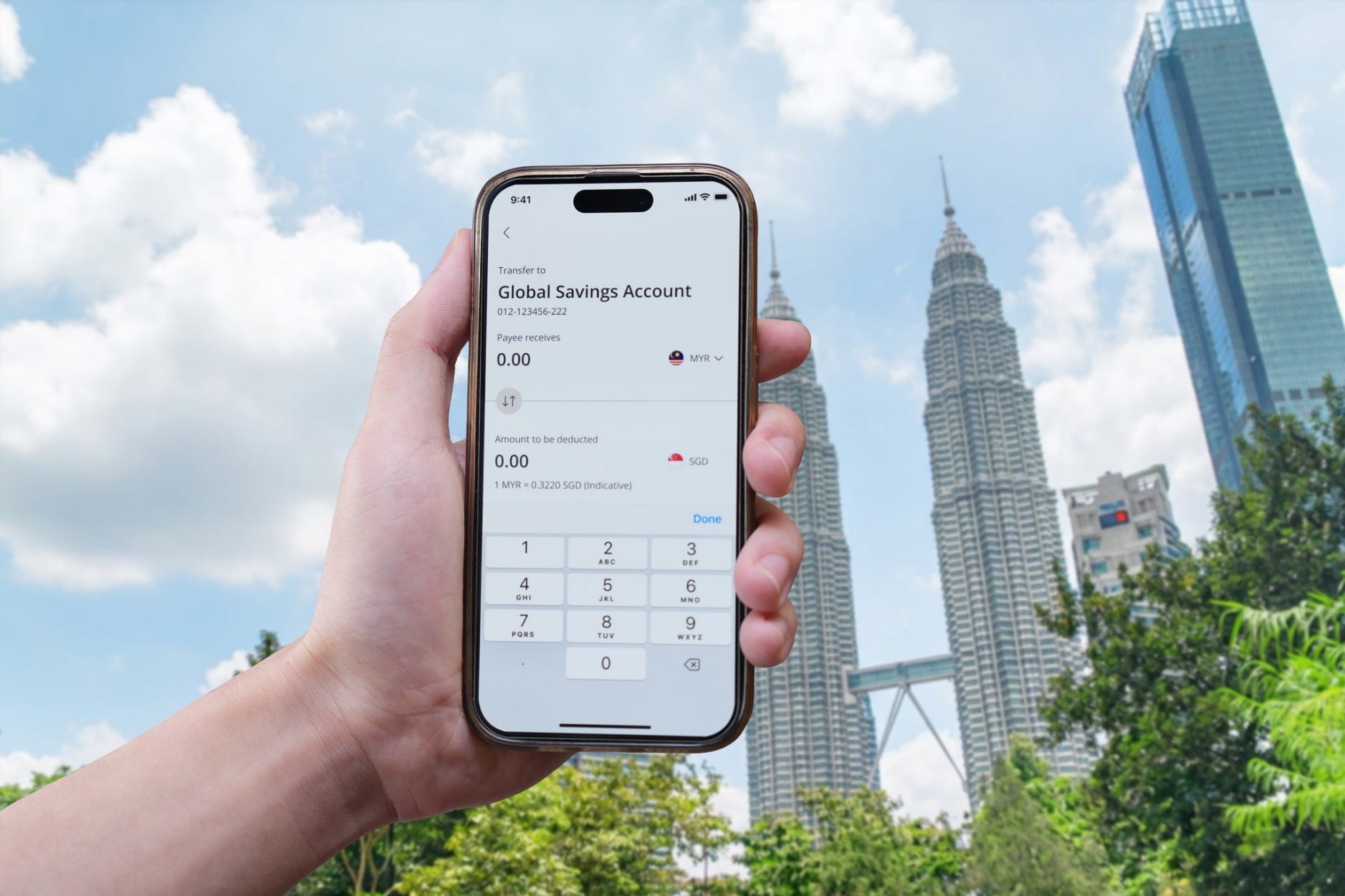
How does OCBC's ringgit account actually work?
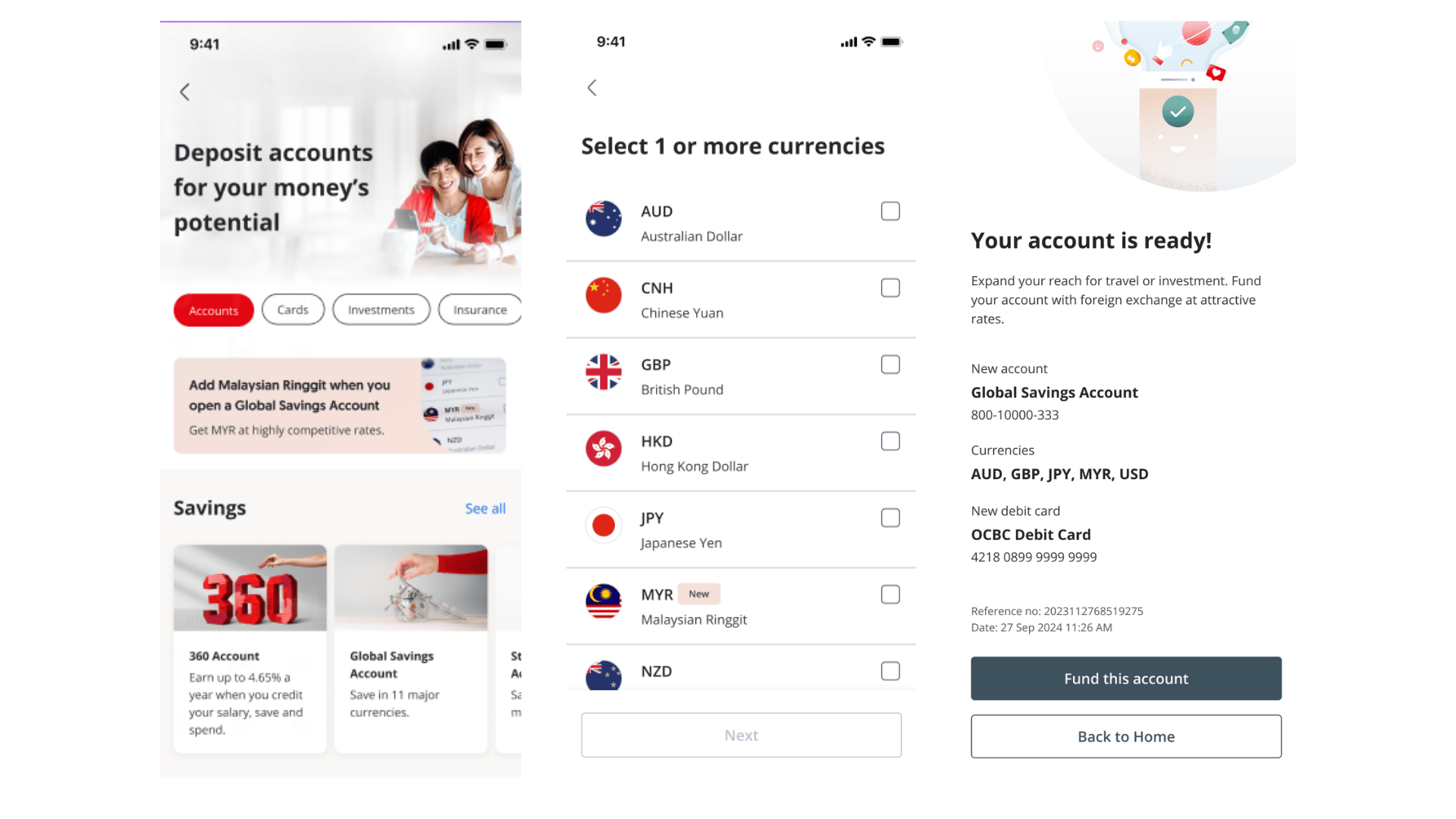
Once you add MYR to a Global Savings Account, you can:
- Convert SGD to MYR in the OCBC app whenever you think the rate looks good
- Hold up to RM50,000 at any time
- Spend the balance in Malaysia with a linked OCBC debit card, including through Apple Pay or Google Pay, with no foreign currency transaction fee
- Withdraw cash at any ATM in Malaysia with no FX conversion fee, as long as the ringgit is already in the account. Non-bank ATM operators may add their own charge.
Interest is the headline. According to OCBC's media FAQ, ringgit balances earn 1% p.a. until 30 June 2027, then 0.5% p.a., with no minimum balance required.
Is 1% interest on ringgit worth anything?
In cash terms, not much. RM50,000 at 1% earns RM500 a year, roughly S$157 at today's rate of about 3.19 ringgit per dollar. After June 2027 that halves to around S$78.
For context, the same account pays 0.01% on US dollars and nothing on yen, pounds or euros, so 1% on ringgit is generous by its own standards. It is also more than a ringgit wallet pays, which is zero.
The bigger question is whether you keep it once the exchange rate moves. Over the past 90 days, SGD/MYR has traded between 3.16 and 3.22, a range of nearly 2% in three months. Lock in RM50,000 at 3.16, watch the rate drift back to 3.22, and your ringgit is worth about S$300 less in Singapore dollar terms. A year of promotional interest covers half of that.
The honest framing: this is a convenience and rate-locking tool for people who will spend that ringgit anyway. It is not a savings product, and not a currency bet worth making for 1%.
What is the catch?
Three things the announcement does not dwell on.
-
No deposit insurance. SDIC covers Singapore dollar deposits up to S$100,000 per bank. Foreign currency deposits are excluded. OCBC is rated Aa1 by Moody's, so this is a technicality for most people, but "regulated deposit account" and "insured deposit" are not the same thing.
-
The spread is not published. OCBC promises "competitive exchange rates without hidden fees or high mark-ups". Fintech wallets quote wholesale rates openly. Before converting, compare the in-app SGD/MYR rate against a mid-market reference. The gap, not the interest, decides whether this beats a wallet.
-
Currency risk does not go away. The Singapore dollar has been strong this year, helped by MAS tightening in April and July before holding steady on 14 October. If you think that strength has peaked, converting now makes sense. If MAS keeps the dollar appreciating, waiting may serve you better. Nobody knows, which is why this suits spending money, not savings.
Who should actually use this?
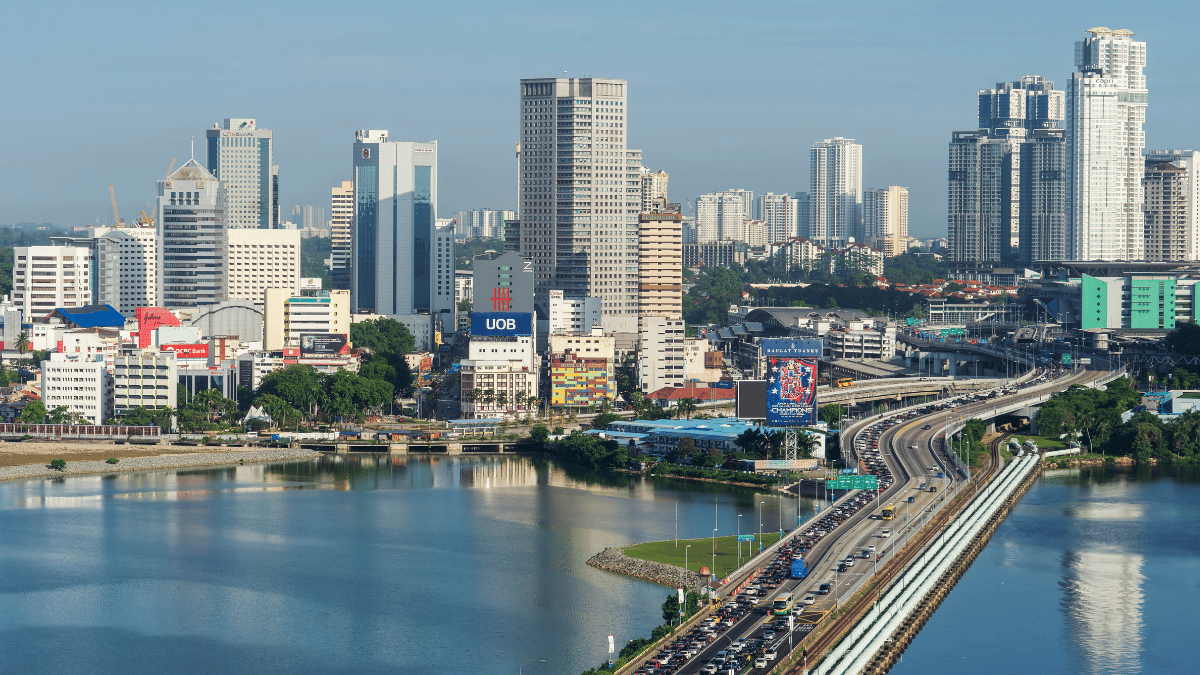
The economics make most sense if you cross the Causeway regularly. OCBC says Malaysia accounts for one in three overseas transactions by its customers, and the RTS Link, now expected to open in February 2027, will make weekly JB trips easier still.
If you are already rebasing part of your life in Johor, as Shamir Wahid described when he moved his family across while keeping his Singapore work on Chills 185, a ringgit pot that earns a little interest in a Singapore bank is a sensible place to park a few months of Malaysian expenses. For the once-a-quarter shopper, a wallet with a wholesale rate does the same job without needing an OCBC account.
Either way, keep the amount tied to what you will spend in the next six to twelve months. Beyond that, you are holding a currency that moves for reasons unrelated to your grocery bill, as the recent selloff in Malaysian and Singapore bank shares showed.
FAQ
-
Can I hold Malaysian ringgit in a Singapore bank account?
Yes. From 23 October 2026, OCBC Global Savings Account holders can hold up to RM50,000 in ringgit and earn interest. OCBC says it is the first non-Malaysian bank to offer this. -
What interest does OCBC pay on ringgit balances?
1% p.a. until 30 June 2027, then 0.5% p.a. OCBC has confirmed there is no minimum balance required. -
Are ringgit deposits in Singapore protected by SDIC?
No. SDIC deposit insurance covers Singapore dollar deposits only, up to S$100,000 per depositor per bank. Foreign currency deposits are excluded. -
Is OCBC's ringgit account better than YouTrip for Malaysia trips?
It depends on the exchange rate spread on the day. OCBC pays interest and sits in a bank; a wallet quotes a wholesale rate and needs no bank relationship. Compare the actual conversion rate before choosing.
A ringgit balance in a Singapore bank is new and useful, but it rewards discipline more than yield. Convert what you will spend, check the rate against the mid-market, and treat the interest as a bonus rather than a reason. For more analyst-led takes on cross-border money, listen to Chills with TFC, and join the community through the TFC link hub.
References
- OCBC, Media release: OCBC is the first non-Malaysian bank to offer ringgit in Singapore-based savings accounts (21 October 2026)
- OCBC, Global Savings Account
- Fintech News Singapore, OCBC Becomes First Foreign Bank to Offer Ringgit Savings in Singapore
- MoneySense, Understanding deposit insurance
- Monetary Authority of Singapore, Past Monetary Policy Decisions
- Bernama, Singapore Central Bank Maintains Monetary Policy, Keeps S$NEER Policy Band Unchanged
- Bank Negara Malaysia, BNM Stance on Ringgit Currency Derivatives Products in Offshore Market
- Bernama, RTS Link Passenger Service Expected To Begin in February 2027
- Wise, Singapore dollars to Malaysian ringgits exchange rate
- Fintech News Singapore, YouTrip launches Malaysian ringgit wallet
Let us know what you think about this topic, and what do you want to hear next.
You can now be our community contributor and make a pitch to have your favourite personality be on our show.
Join our community group and drop us your insights on this topic.





Let us know what you think of this post