
-Jun-01-2025-06-24-42-9139-PM.png?width=50&name=Square%20(2)-Jun-01-2025-06-24-42-9139-PM.png)

Most people think FIRE is about hitting a number. A portfolio big enough to cover your expenses. A date when you can finally stop working. But if you zoom out, the real pull of Financial Independence, Retire Early is not mathematical. It is emotional.
It starts with a quiet discomfort. You can be doing everything “right” on paper in Singapore. Stable job, decent pay, maybe even climbing the ladder. Yet something feels off. Long hours, rising costs, and a sense that your time is not fully yours. FIRE exists because people begin to question that trade. Not whether they can keep going, but whether they want to.
The need for control

At its core, FIRE is about autonomy. Most people do not dislike work itself. They dislike the lack of choice. When your income is your only lifeline, every decision carries weight. Leaving a bad boss becomes risky. Taking a pay cut for something meaningful feels irresponsible. Even rest can feel like guilt.
Financial independence changes that dynamic. When your investments can cover your basic needs, work becomes optional. That shift alone can change how you show up. You are no longer working because you have to. You are working because you choose to.
Why money stress never really feels “off”
That sense of choice directly affects stress. Financial pressure often sits in the background, constant but subtle. The fear of losing your job. Unexpected medical bills. A major repair that throws off your plans.
Building towards FIRE lowers that baseline anxiety over time. An emergency fund handles short term shocks. Reducing debt removes a layer of pressure. A growing portfolio gives you a buffer against uncertainty. You may not feel rich, but you feel less fragile. That psychological stability matters more than most people expect.
Escaping the upgrade cycle
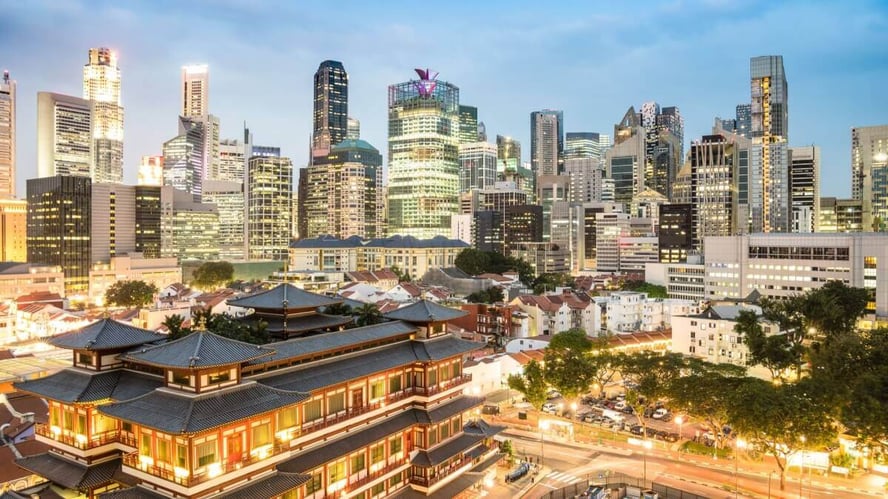
Another reason FIRE resonates is how it pushes back against lifestyle inflation. In a place like Singapore, it is easy to keep upgrading. Better home, nicer car, more spending to match your peers. Each upgrade feels justified, but it quietly locks you into needing a higher income just to sustain your life.
FIRE flips the question. Instead of asking how much you can afford, it asks what is actually enough. That shift can be uncomfortable at first. It forces you to confront what you value versus what you have been conditioned to want. Over time, it can lead to more intentional spending. Less about appearances, more about what genuinely improves your life.
The boredom problem no one talks about
But the psychology of FIRE is not all upside. One of the biggest surprises people face is boredom. Work provides structure, routine, and a sense of progress. Remove that too quickly, and the days can start to blur.
Having time is not the same as knowing what to do with it. Without purpose, early retirement can feel empty rather than freeing.
Who are you without your job?
There is also the question of identity. For many, their job is more than income. It is how they introduce themselves, how they measure progress, how they feel recognised. Stepping away from that can feel like losing a part of yourself.
This is why FIRE should not just be a financial plan. It has to be a life plan. What fills your time. What gives you meaning. Who you are when productivity is no longer the metric.
When FIRE becomes the trap
Then there is a quieter trap. Turning FIRE into an obsession. Because it is so measurable, it is easy to reduce life into savings rates and net worth charts. You start optimising everything. Cutting back more. Delaying enjoyment.
In that case, the pursuit of freedom becomes restrictive. You are still waiting to live, just under a different framework.
A better way to think about FIRE
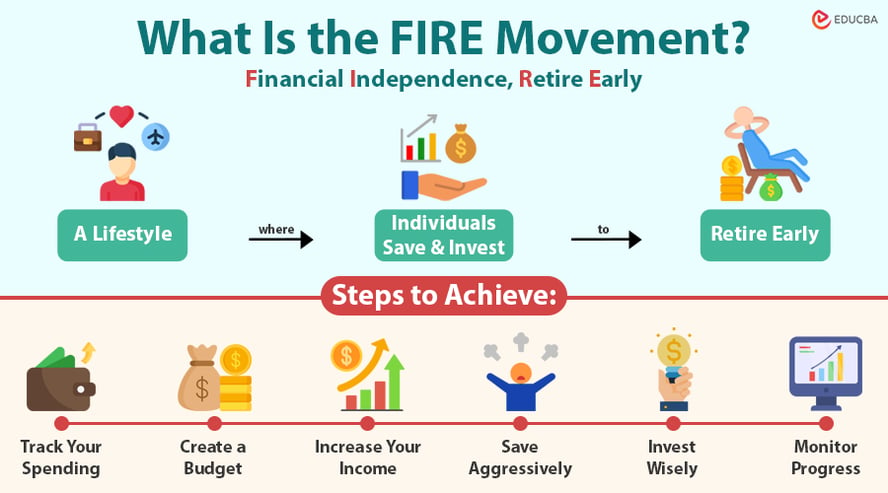
Graphics taken fro EDUCBA; FIRE Movement
A more sustainable approach is to treat FIRE as a spectrum. Not a finish line. Every step towards it improves your position. More savings gives you more options. Less debt gives you more breathing room.
You do not need to reach full early retirement to feel the benefits. Even partial independence changes how you think about work and risk.
What FIRE is really about
In the end, FIRE is less about escaping work and more about redesigning your relationship with money and time. It gives you a way to question default paths. Do you need to work this intensely for this long. Are your expenses aligned with your values.
For many, the answer is not to retire as early as possible. It is to live with more flexibility along the way. To build a life that does not constantly feel like something to escape from.
And if that happens, the number becomes less important than the control you have already gained.
References:
- Lifelong Learning SG, "Chasing F.I.R.E. Here's What You Need to Know"
- Income, "Psychological Impact of Retirement"
- NTU, "Publications -
Is Singapore burning out? Unpacking the FIRE movement and its implications"
- Insurance Asia, "Singaporeans Want Early Retirement, Many Lack Confidence"
- Channel News Asia, "FIRE Movement: Financial Independence, Retire Early"
- Syfe, "Is it Possible to FIRE in Singapore?"
- PMC, "Retirement and the Psychology of Financial Independence"
Let us know what you think about this topic, and what do you want to hear next.
You can now be our community contributor and make a pitch to have your favourite personality be on our show.
Join our community group and drop us your insights on this topic.






Let us know what you think of this post