
-3.png?width=50&name=Square%20(2)-3.png)

TL;DR
-
The Singapore Government has announced close to $1 billion in additional support for households and businesses, triggered by the economic fallout from the Middle East conflict and the Strait of Hormuz closure.
-
Key measures include early CDC vouchers, enhanced cost-of-living cash payments, a boosted corporate tax rebate, and an expanded Energy Efficiency Grant.
-
Acting Transport Minister Jeffrey Siow made clear: more help is available if the situation worsens.
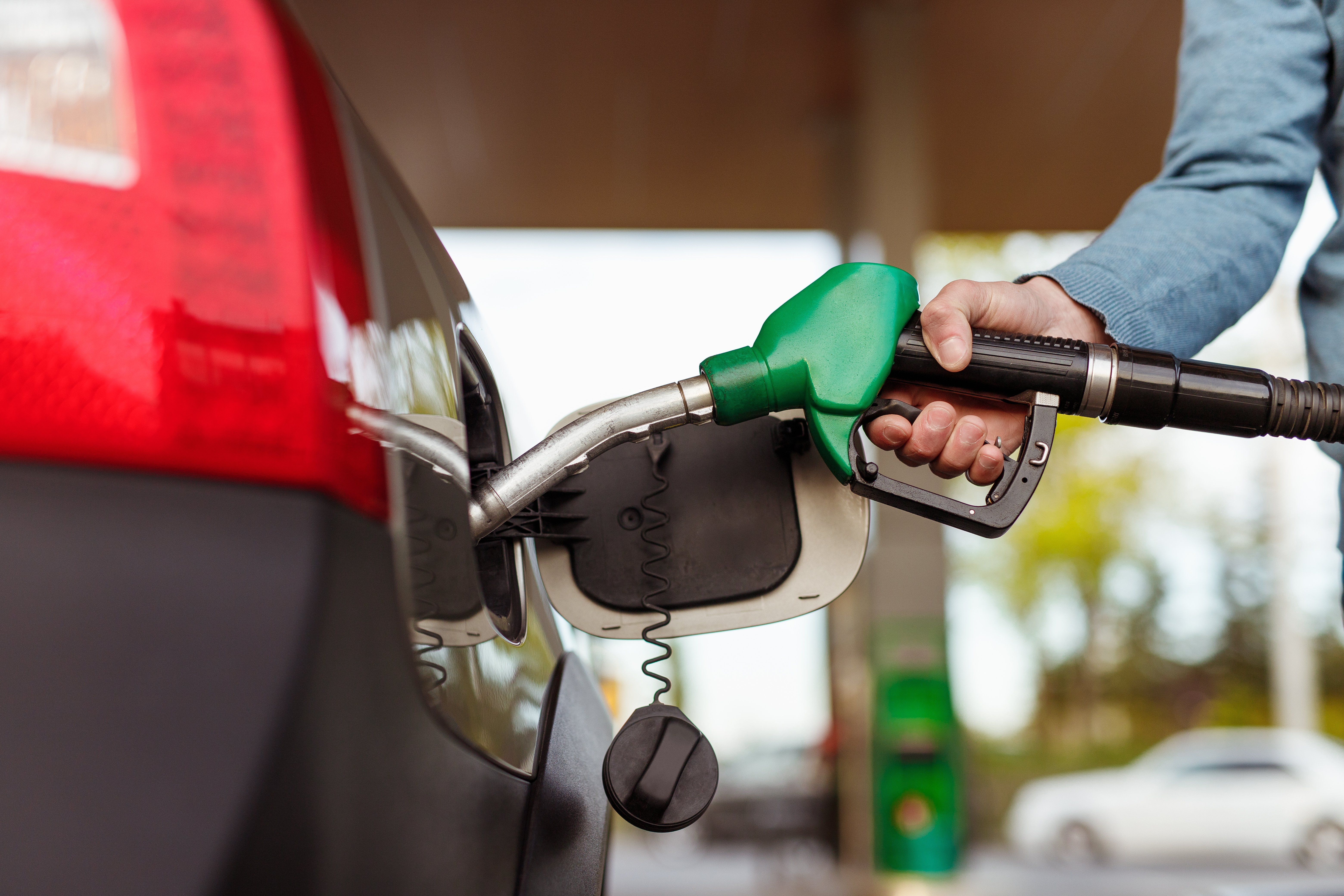
The Middle East crisis is no longer just a geopolitical headline. It is showing up on Singapore's petrol receipts, electricity bills, and grocery tabs, and the Government is not waiting for things to get worse before acting.
On 7 April 2026, iowannounced in Parliament that nearly $1 billion in additional support will be deployed to help Singaporeans and businesses weather cost pressures stemming from the ongoing conflict. This is on top of the $155 billion already committed under Budget 2026, itself Singapore's largest budget on record.
As Acting Transport Minister and Senior Minister of State for Finance Jeffrey Siow put it plainly: "The Government is not waiting to act."
Why Now?
The trigger is direct and documented. Just 16 days after Singapore's Budget was delivered on 12 February, coordinated US-Israeli airstrikes on Iran set off a chain of events that closed the Strait of Hormuz, the chokepoint through which roughly a fifth of global oil and LNG flows pass. Iran's disruption of shipping sent global crude prices soaring, and Singapore, which sources over 70% of its oil from the Middle East, felt it almost immediately.
Petrol and diesel prices have already risen sharply. Electricity and imported food prices are expected to follow as the full impact of the conflict feeds through supply chains. The Government's view, as stated by Acting Transport Minister and Senior Minister of State for Finance Jeffrey Siow, is unambiguous: "We cannot predict how exactly events will unfold, or when the conflict will end. What we do know is that Singaporeans are already feeling some of the effects on the ground."
What Households Are Getting
For All Singaporeans
| Measure | Detail | Timeline |
|---|---|---|
| CDC Vouchers | $500 brought forward from Jan 2027 | June 2026 |
| Cost-of-Living Special Payment | Enhanced by $200 for all eligible recipients | September 2026 |
| U-Save Rebates | Up to $190 for HDB households | April & July 2026 |
About 2.4 million Singaporeans will receive between $400 and $600 in cash in September 2026 under the enhanced Cost-of-Living Special Payment, which applies to those with assessable incomes of up to $100,000 who do not own more than one property.
Enhanced Cost-of-Living Special Payment Breakdown
| Assessable Income | AV up to $15,000 | AV $15,001–$31,000 | AV above $31,000 |
|---|---|---|---|
| Up to $22,000 | $400 + $200 | $300 + $200 | $200 + $200 |
| $22,001–$39,000 | $300 + $200 | $300 + $200 | $200 + $200 |
| $39,001–$100,000 | $200 + $200 | $200 + $200 | $200 + $200 |
The +$200 column reflects the new enhancement announced on 7 April 2026. Source: Ministry of Finance
For Gig and Transport Workers
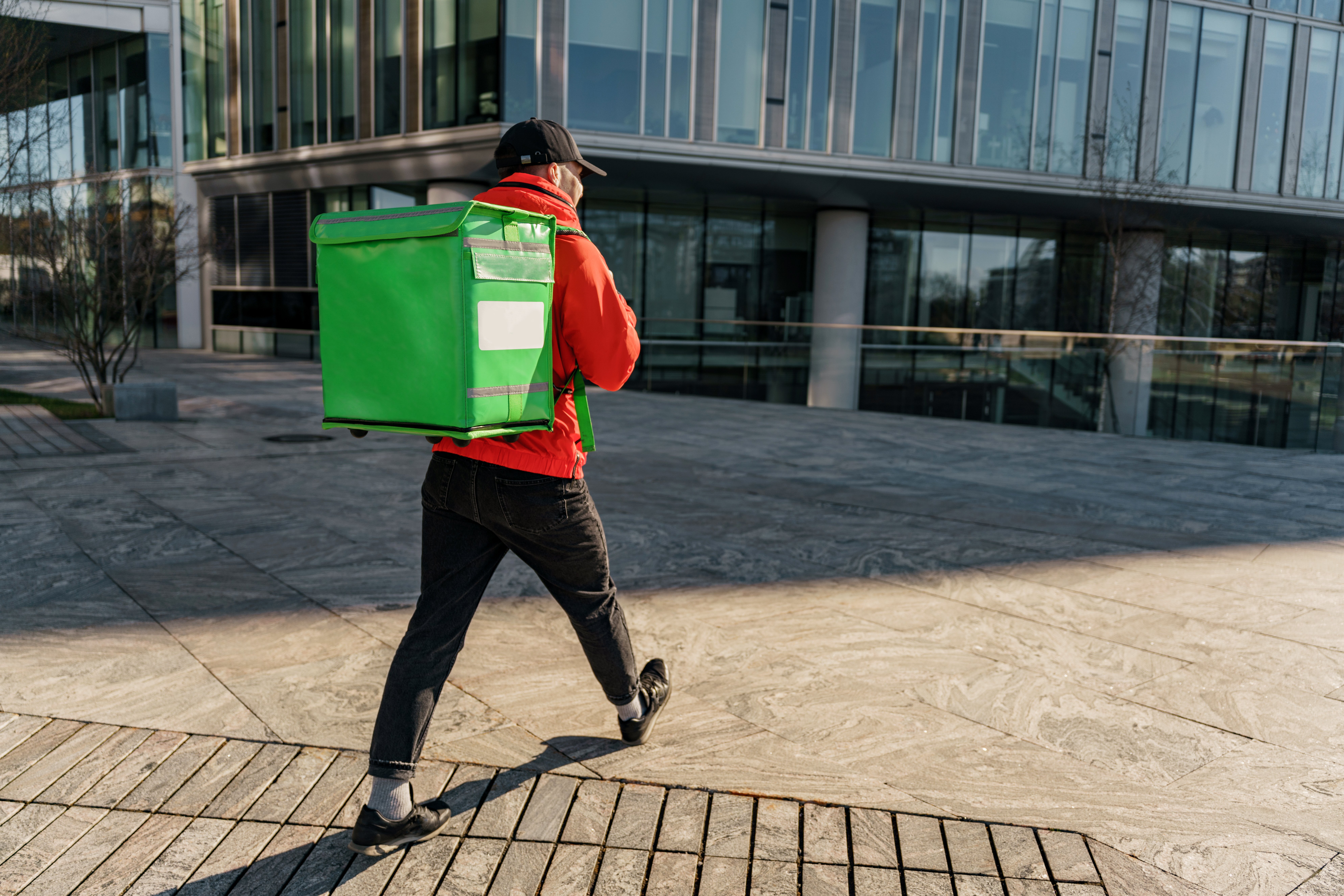
Platform workers, private-hire car drivers, and taxi drivers, whose earnings have been directly squeezed by the fuel price spike, will receive $200 in cash from end-April 2026. Acting Transport Minister and Senior Minister of State for Finance Jeffrey Siow acknowledged calls from MPs to cut fuel duties broadly but rejected this as "too blunt an approach," noting it could be regressive and would undermine price signals for energy efficiency.
What Businesses Are Getting
The package is not just for households. Businesses, particularly those facing rising energy and operational costs, get meaningful relief too.
- Corporate income tax rebate raised from 40% to 50% for Year of Assessment 2026
- Minimum benefit per eligible company raised from $1,500 to $2,000
- Cap per company raised from $30,000 to $40,000
- Energy Efficiency Grant expanded from six sectors to all sectors, extended to 31 March 2028
- Essential transport services (school buses, senior and disability transport) will be temporarily co-funded by the Government to prevent service disruptions
- Critical government contracts, including the Cross Island MRT Line and new HDB BTO projects, will have fuel-related cost increases shared by the Government
Eligible companies will receive the enhanced corporate tax rebate from end-April 2026.
This Is a "First Response"
Acting Transport Minister and Senior Minister of State for Finance Jeffrey Siow was careful to frame this not as the final word, but as an opening move. The Government has "drawer plans," he said, pre-prepared contingency measures ready to be activated as events develop.
"What Singaporeans can count on is a Government that is well-prepared, builds sufficient buffers, anticipates problems and thus is ready and able to respond swiftly with solutions," he said. "We will always make sure that no Singaporean is left to bear his or her burden alone."
The spending will be funded within the Supply Act already approved, with a supplementary budget to be tabled in Parliament for additional amounts. Singapore's fiscal reserves, built up precisely for moments like this, provide the cushion to act without panic.

What This Means for Businesses
If you run a business in Singapore, there are a few immediate actions worth taking:
- Claim your enhanced corporate tax rebate: the cap increase to $40,000 is meaningful, especially for SMEs with higher energy exposure.
- Apply for the Energy Efficiency Grant now: it has been expanded to all sectors and runs until March 2028. This is the time to invest in energy-efficient equipment with co-funding behind you.
- Review contracts with the Government: if you are a supplier on major infrastructure projects, engage your project officer on the fuel cost-sharing mechanism.
- Plan for continued volatility: Acting Transport Minister and Senior Minister of State for Finance Jeffrey Siow's language was deliberate: prices are "likely to remain elevated for some time." Budget accordingly.
The Bottom Line
This is a significant, fast-moving response from a Government that saw the crisis coming and had plans ready. Nearly $1 billion in new support, delivered within weeks of the Strait of Hormuz closure, is a signal of institutional readiness rather than panic.
But the relief package also confirms what many already suspected: the Middle East conflict's economic effects on Singapore are real, they are here, and they are not resolving quickly. The CDC vouchers and cash payments cushion the blow for households. The tax rebate and grant expansions buy businesses time. Neither is a substitute for the longer-term structural shifts, energy diversification, regional integration, clean energy transition, that the crisis has now made unavoidable.
The Government is not waiting. Neither should you.
References
- Ministry of Finance, Support for Singaporeans amid Middle East situation
- The Diplomat, "Southeast Asia Reels From Middle East Oil Supply Shortages"
- Eco-Business, "Wake-up call for ASEAN energy security as Singapore, Thailand face Iran war's LNG risks"
Let us know what you think about this topic, and what do you want to hear next.
You can now be our community contributor and make a pitch to have your favourite personality be on our show.
Join our community group and drop us your insights on this topic.


Let us know what you think of this post