
-3.png?width=50&name=Square%20(2)-3.png)

TL;DR
Kin Global’s upcoming IPO has captured investor attention with eye-catching revenue growth, rising from $8 million to $56.5 million within a year. Management attributes this surge to a strategic pivot into design-and-build event infrastructure. However, concerns around customer concentration, event cyclicality, and execution risk remain central. Investors evaluating this IPO must weigh whether this is a scalable platform riding Singapore’s event tourism ambitions or a business exposed to lumpy, high-risk revenue streams.
A 5x Revenue Surge
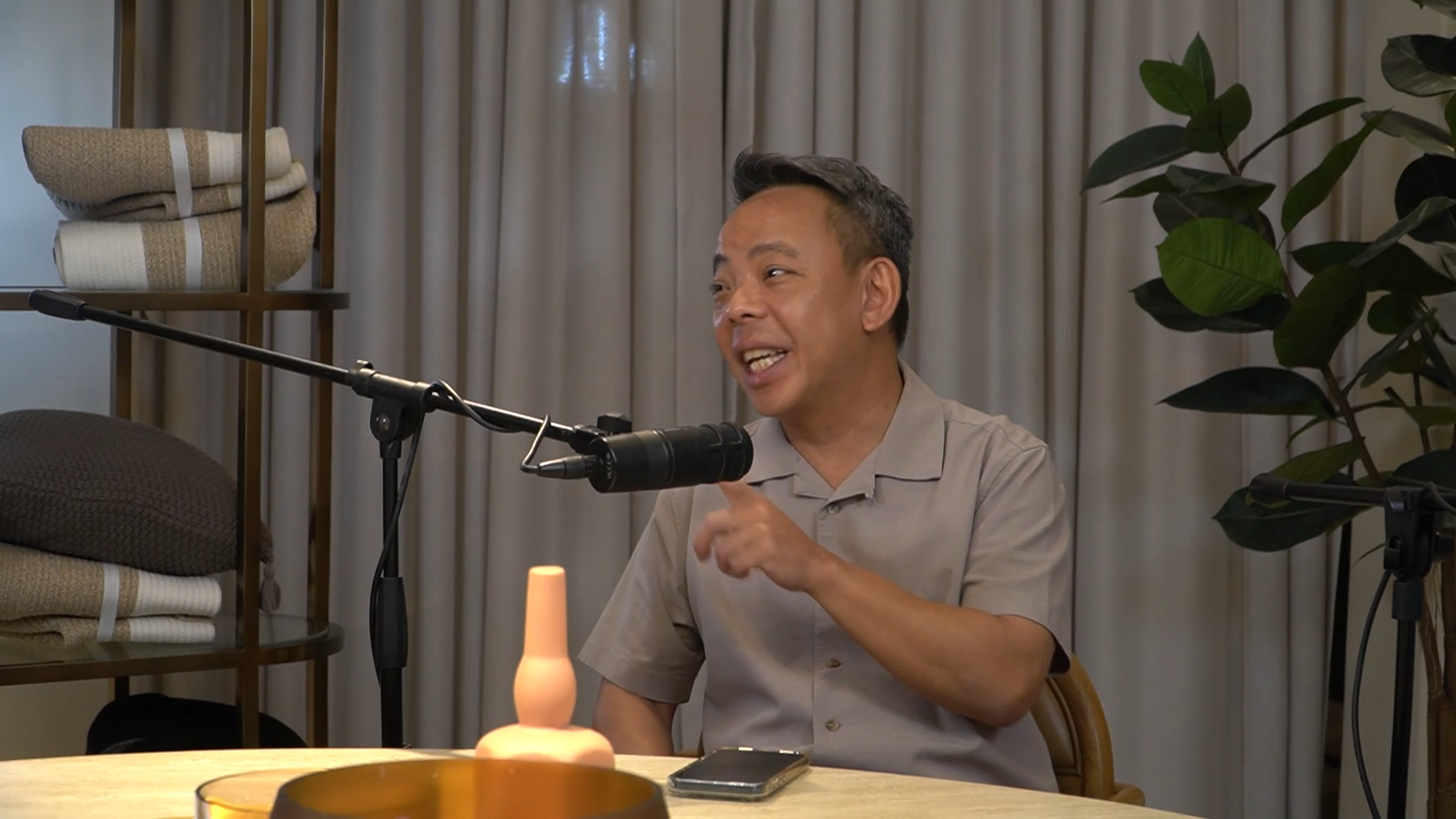
Few IPO narratives are as immediately compelling or as questionable as Kin Global’s. In just one year, the company’s revenue jumped from $8 million to $56.5 million. Naturally, investors are asking whether this represents a structural shift or a one-off spike.
As one host bluntly framed the concern:
“$8M to $56M revenue. Too good to be true. Why?”
That scepticism sits at the heart of this IPO.
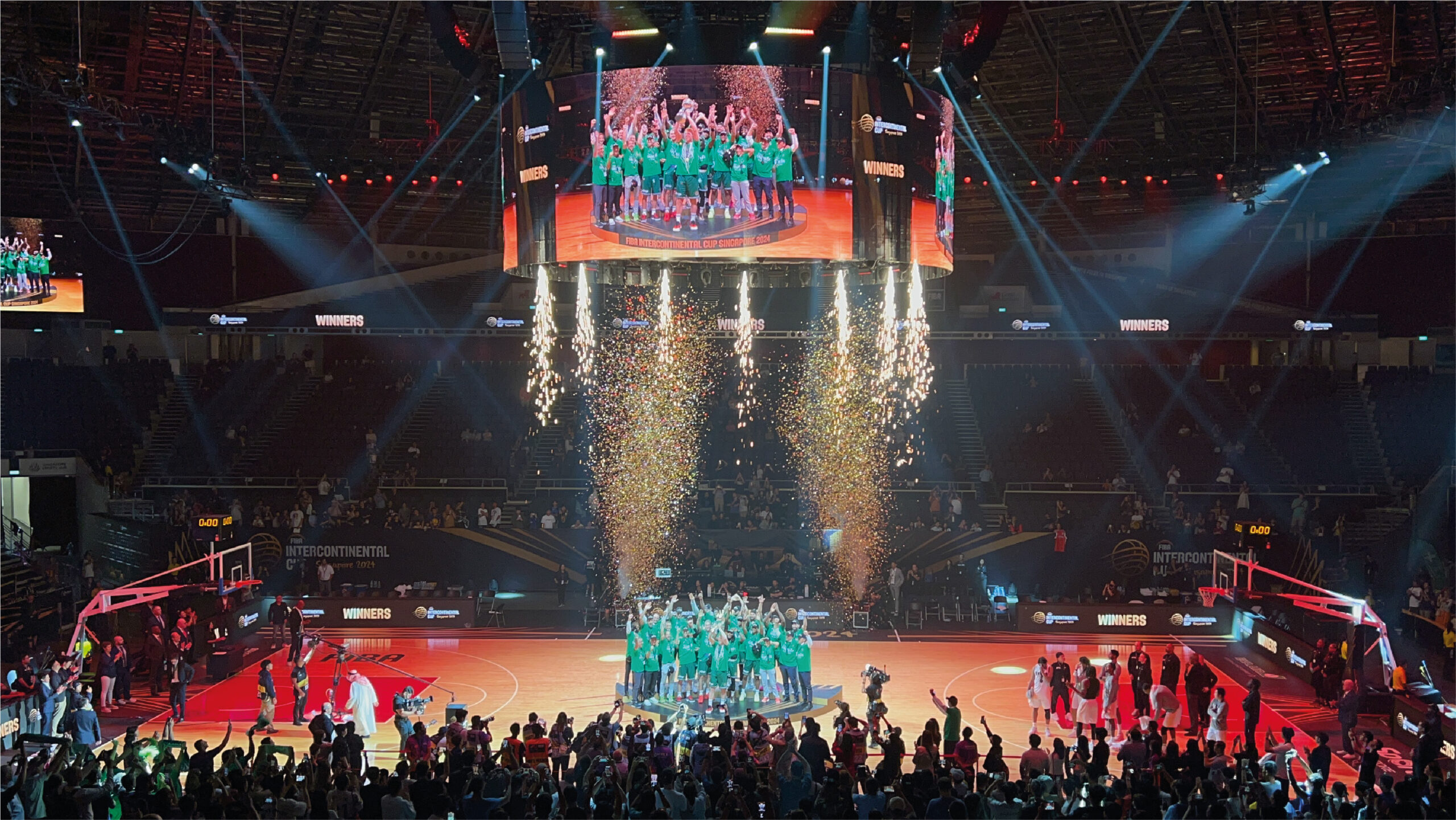 Image source: Kin.net | FIBA Intercontinental Cup Singapore 2024
Business Model: From Sports Events to Event Tourism Infrastructure
Kin Global traces its roots back to 2017, built by founders with deep experience delivering major international sporting events, including the Youth Olympic Games and Southeast Asian Games.
Initially focused on event execution, the company has since pivoted towards a broader strategy in event tourism infrastructure.
The CEO, Vincent Chai explained the shift clearly:
“We are design and builders of, uh, event tourism experiences… museum, gallery and theme park.”
This move expands the business beyond one-off event delivery into longer-duration, higher-value projects such as:
- Museums and galleries
- Theme parks
- Sports infrastructure
- Tourism attractions
This is a meaningful repositioning that changes how investors should assess the company’s revenue quality.
Why Revenue Exploded: The Design-and-Build Pivot
The surge in revenue is attributed to a new vertical launched in 2023.
Management insists the growth is not accidental:
“It’s really attributed to us starting the design and build vertical and has proven that that strategy work.”
In practical terms, design-and-build contracts tend to:
- Be larger in value
- Span longer timelines
- Generate uneven but higher revenue
This explains the dramatic jump, but it also introduces volatility that investors must account for.
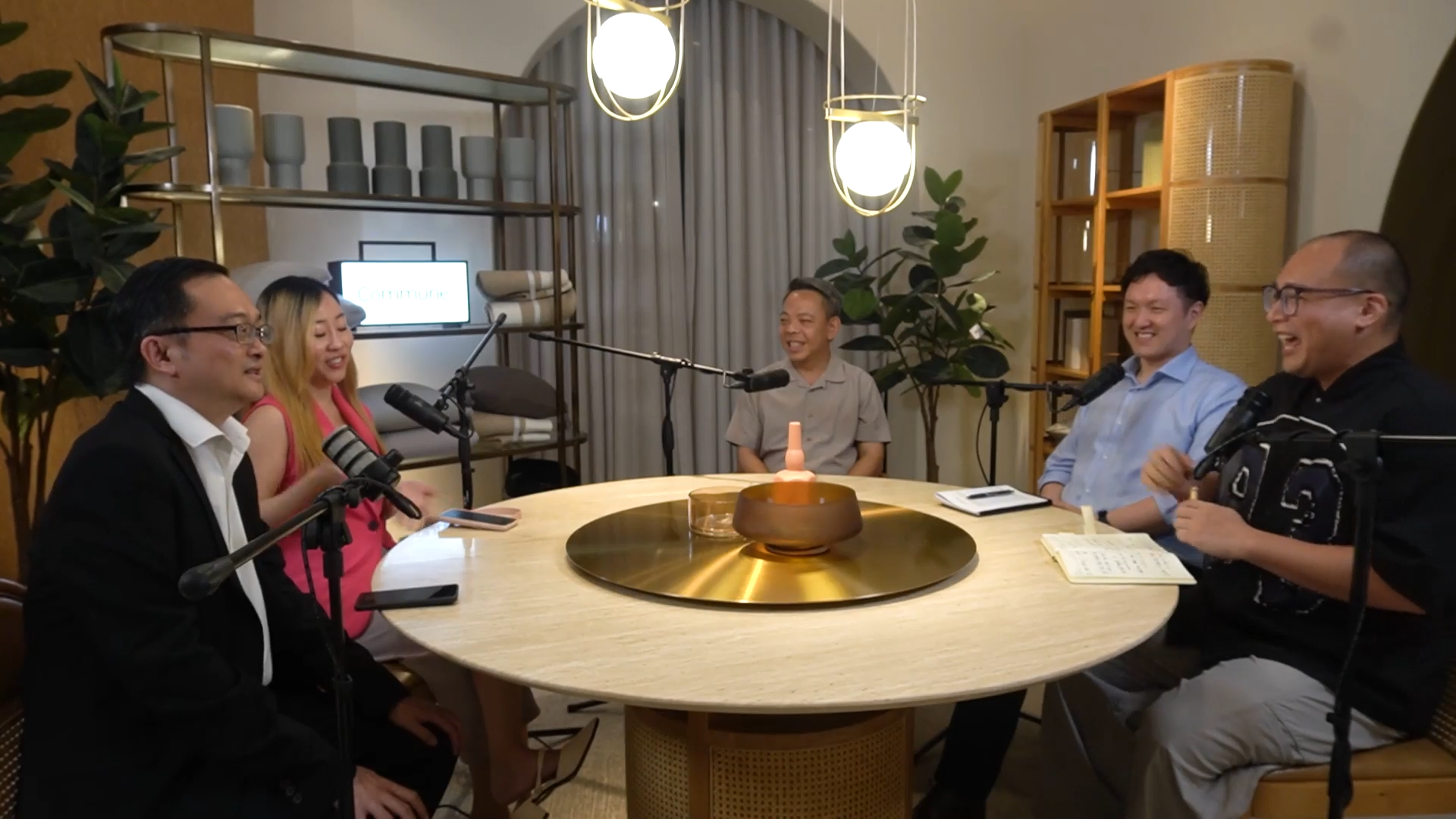
Key IPO Note #1: Customer Concentration
One of the most immediate concerns is customer concentration.
According to the discussion:
“In 2025, 3 quarters of your revenue came from one customer.”
For IPO investors, this raises a critical question. What happens if that client disappears?
Management pushes back on the concern:
“Sometimes there is a bit of… overemphasis… when a company has got customer concentration.”
While this argument has merit, the comparison to large industrial players is imperfect.
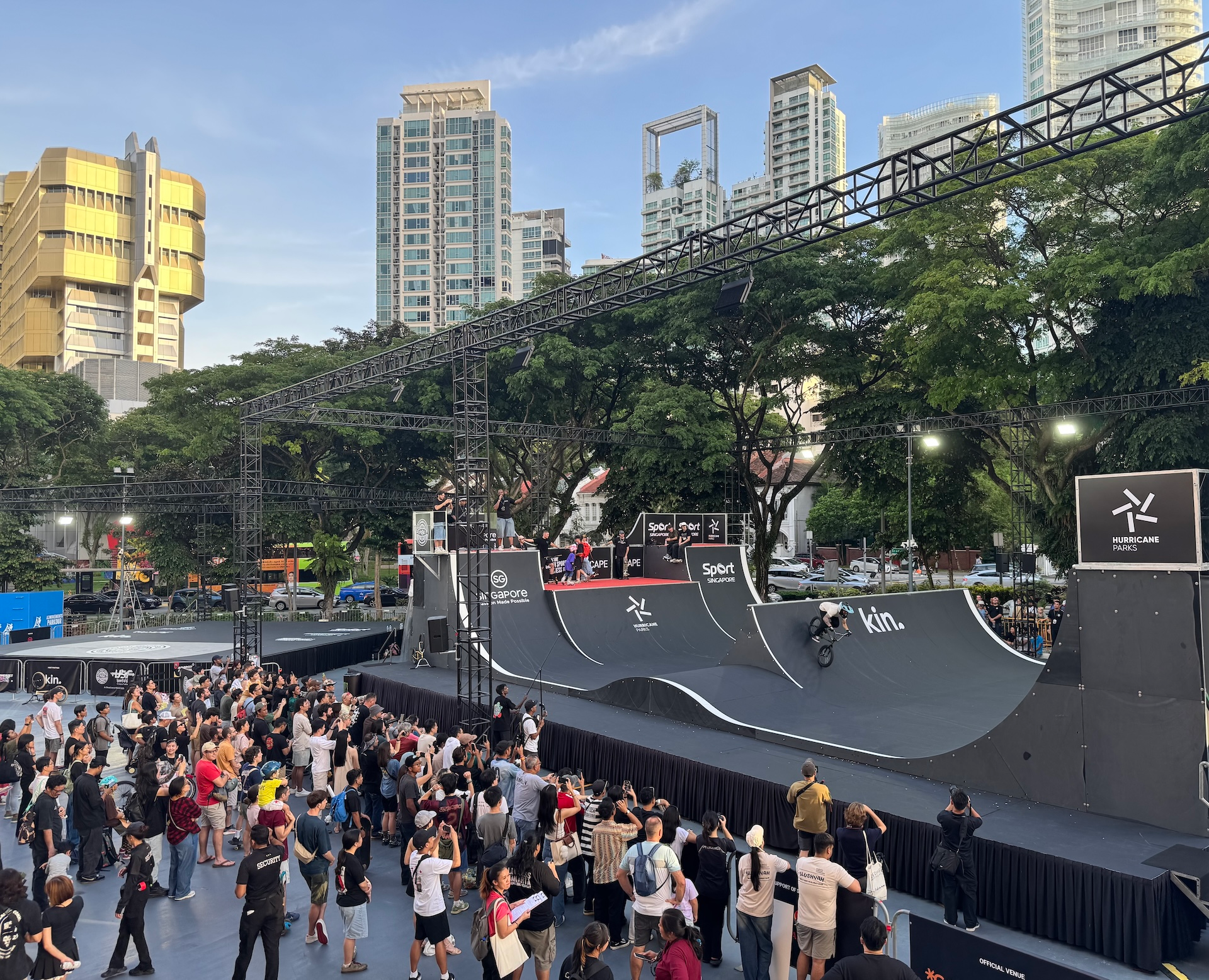 Image source: Kin.net | FISE (Festival International des Sports Extrêmes) in Singapore
Investor Takeaway
Customer concentration becomes more serious when:
- Revenue is project-based rather than recurring
- Contracts are finite in duration
- Client switching costs are relatively low
In this context, the risk is more pronounced than management suggests.
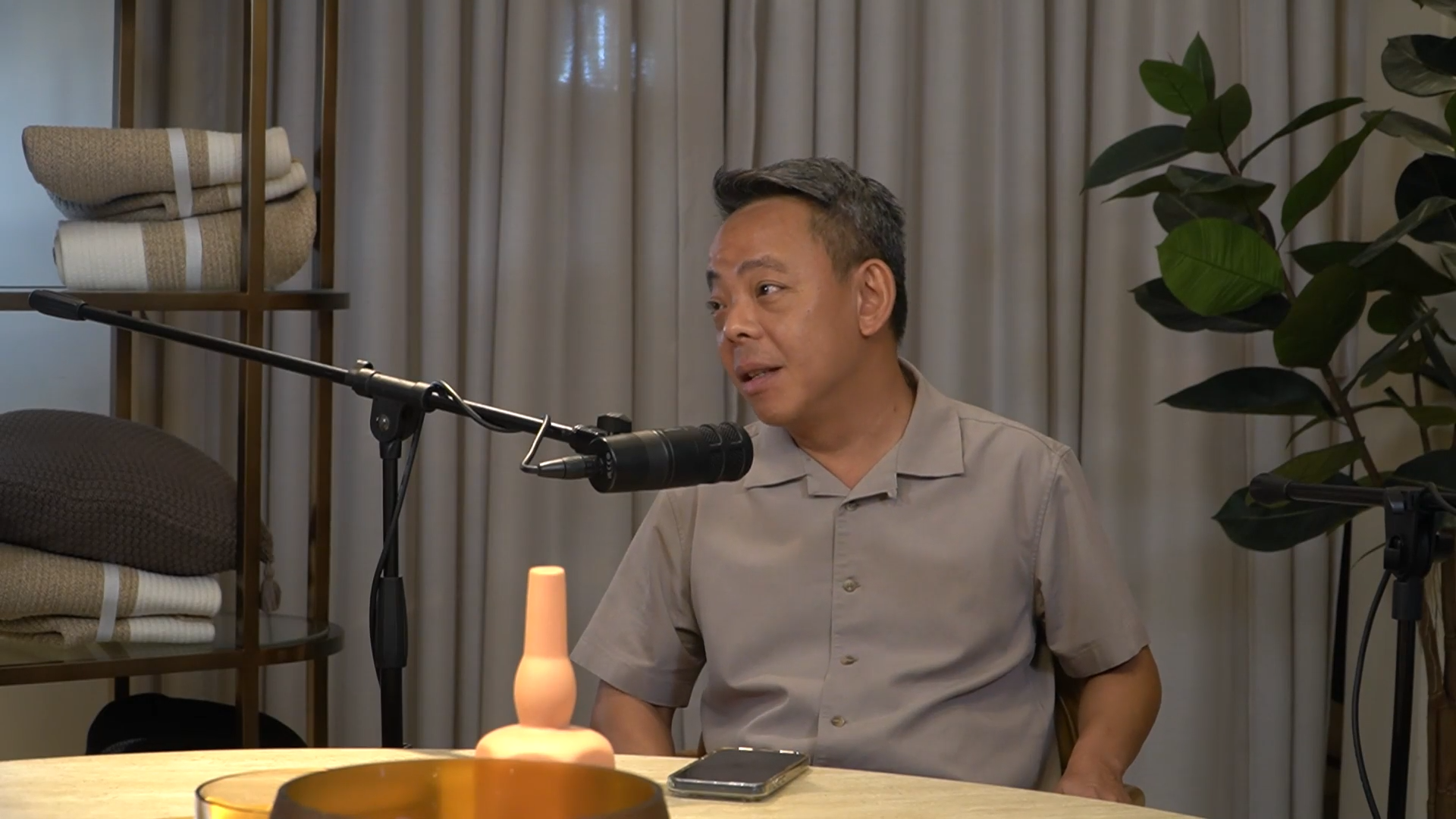
Key IPO Note #2: “One-Take” Execution Risk
Unlike many industries, events do not allow for retries.
As the CEO puts it:
“It is one take no reset. It has to go and has gone.”
This introduces a different kind of operational pressure:
- Execution must be flawless
- Errors are immediately visible
- Reputation risk is high
For investors, this means operational capability is a core investment factor, not a secondary one.
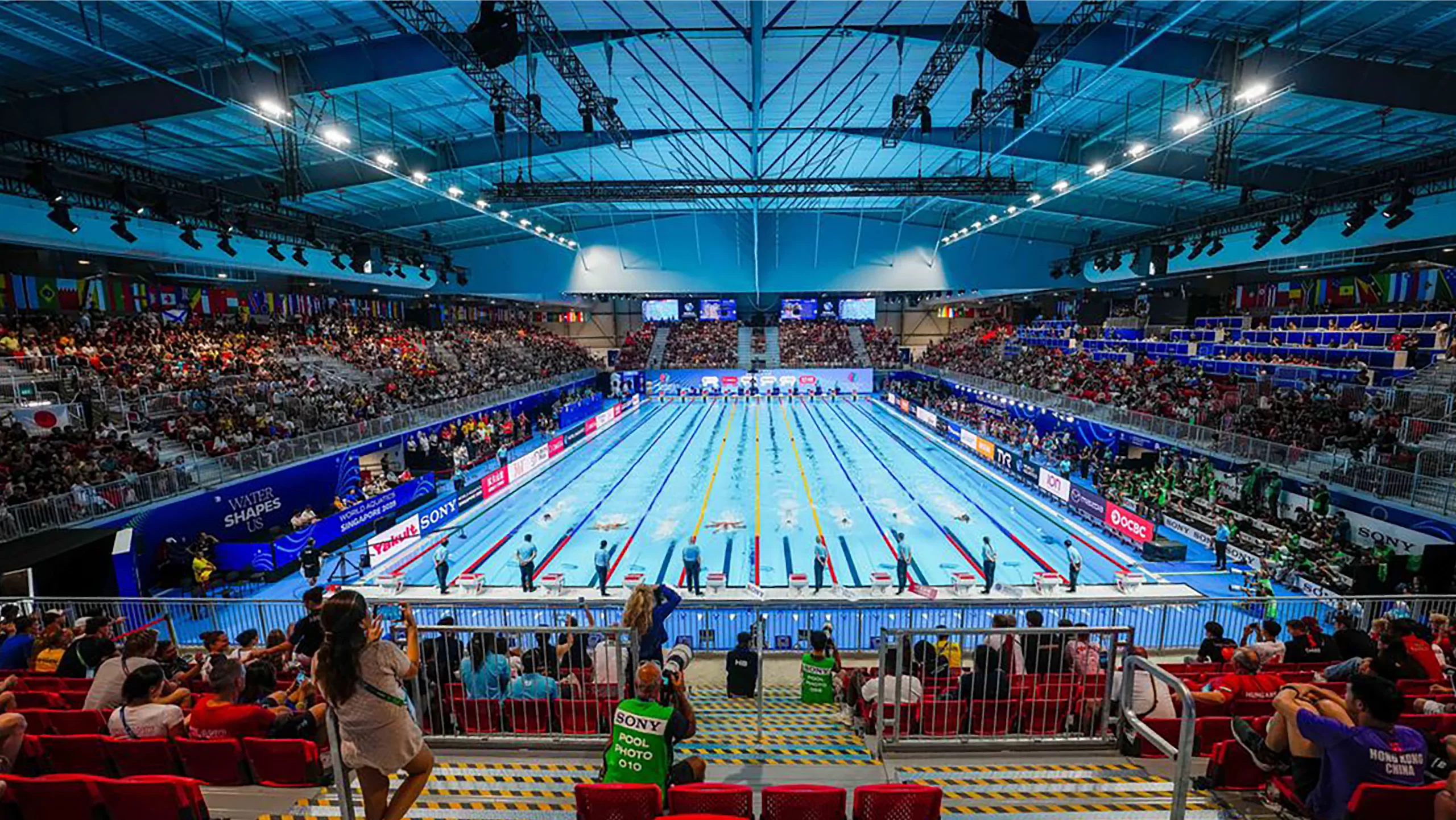 Image source: Kin.net | The World Aquatics Championships Singapore 2025
Key IPO Note #3: Event Cyclicality vs Recurring Revenue
A common assumption is that events are one-off in nature. Management argues that this is not entirely accurate.
“We are always trying to build a calendar of sports event.”
Examples include:
- Annual marathons
- Recurring international tournaments
- Established global event circuits
The Reality
Even recurring events are exposed to external risks:
- Economic slowdowns
- Government policy changes
- Unexpected disruptions such as pandemics
Management itself acknowledges the uncertainty:
“Nothing is guaranteed.”
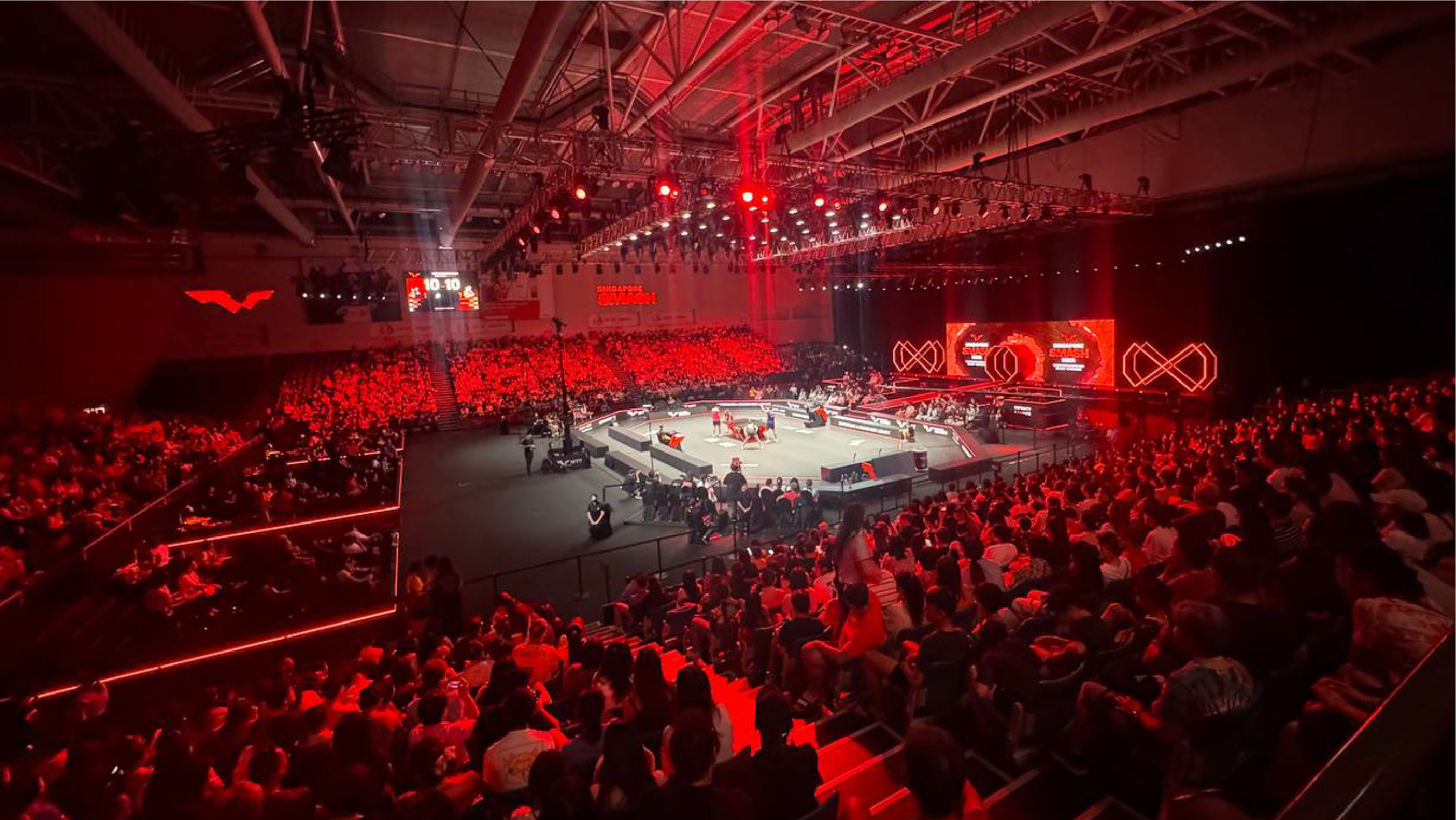 Image source: Kin.net | WTT Singapore Smash 2025
Singapore’s Event Tourism Ambition
One of the strongest positive factors lies in the broader ecosystem.
Singapore is actively positioning itself as a global destination for events. The CEO highlights:
“A lot of tailwind from the government to actually… posture Singapore as a global destination for sports tourism.”
This creates multiple demand drivers:
- Global exposure through broadcast reach
- Tourism inflows tied to events
- Long-term development of event calendars
The economic impact is tangible:
“The room nights… is easily like three or 4,000 room nights.”
Investor Implication
Kin Global is effectively leveraged to Singapore’s event tourism growth story.
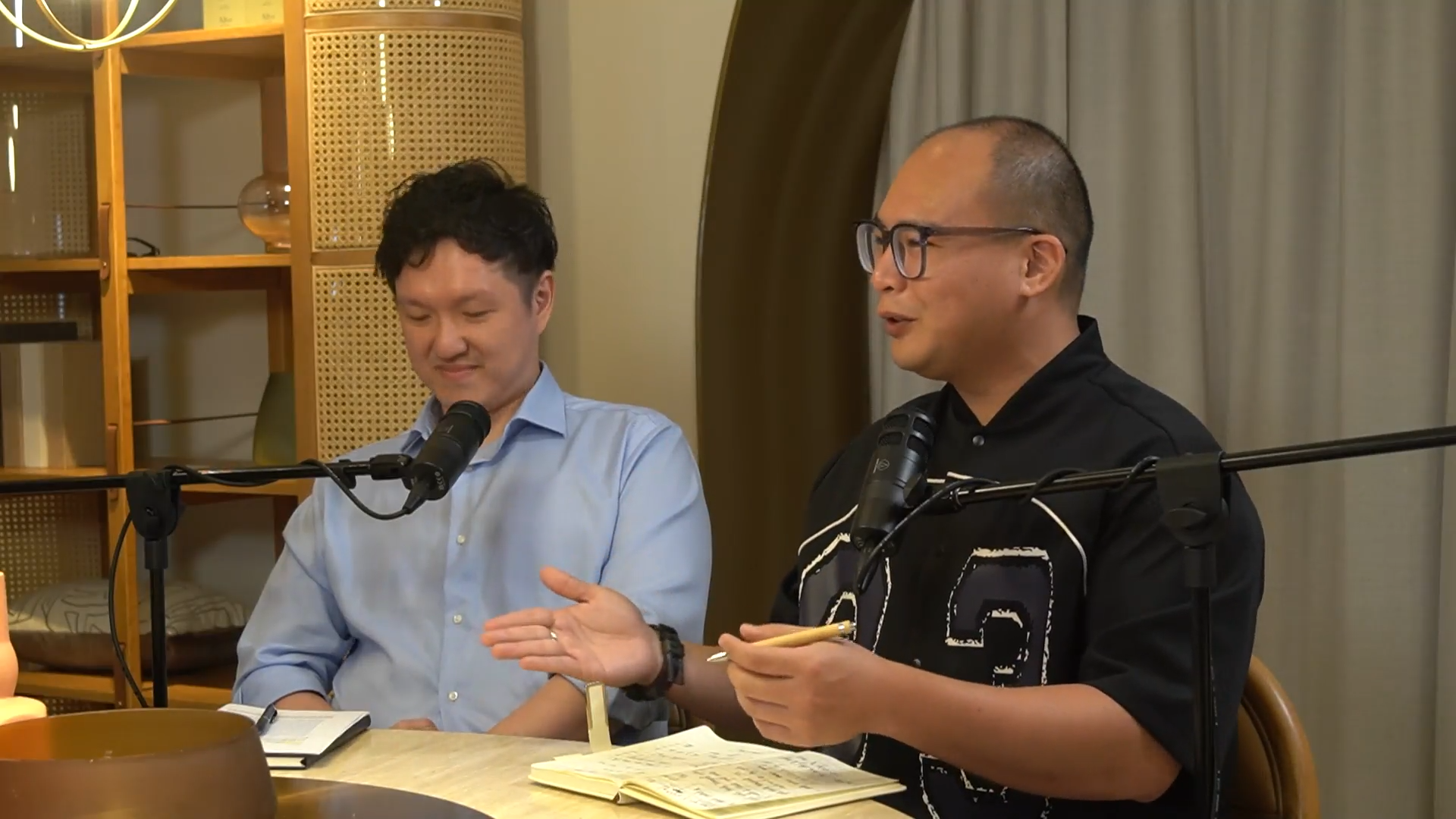
What Investors Should Watch Post-IPO
Investors considering participation should focus on:
- Progress in diversifying the customer base
- Visibility of future design-and-build project pipeline
- Balance between recurring and project-based revenue
- Stability of margins over time
- Expansion beyond Singapore
FAQs
-
Is Kin Global a high-growth IPO?
Yes, based on recent financials, although growth may not be consistent year to year.
-
What is the biggest risk for investors?
Customer concentration combined with non-recurring revenue.
-
Will Kin Global give out dividends?
Yes, hear it directly from their CEO here 46:20
-
Why is Singapore central to the investment thesis?
Government-led initiatives in event tourism create long-term demand drivers.
-
Is this closer to infrastructure or services?
It sits between both, combining event execution with infrastructure development.
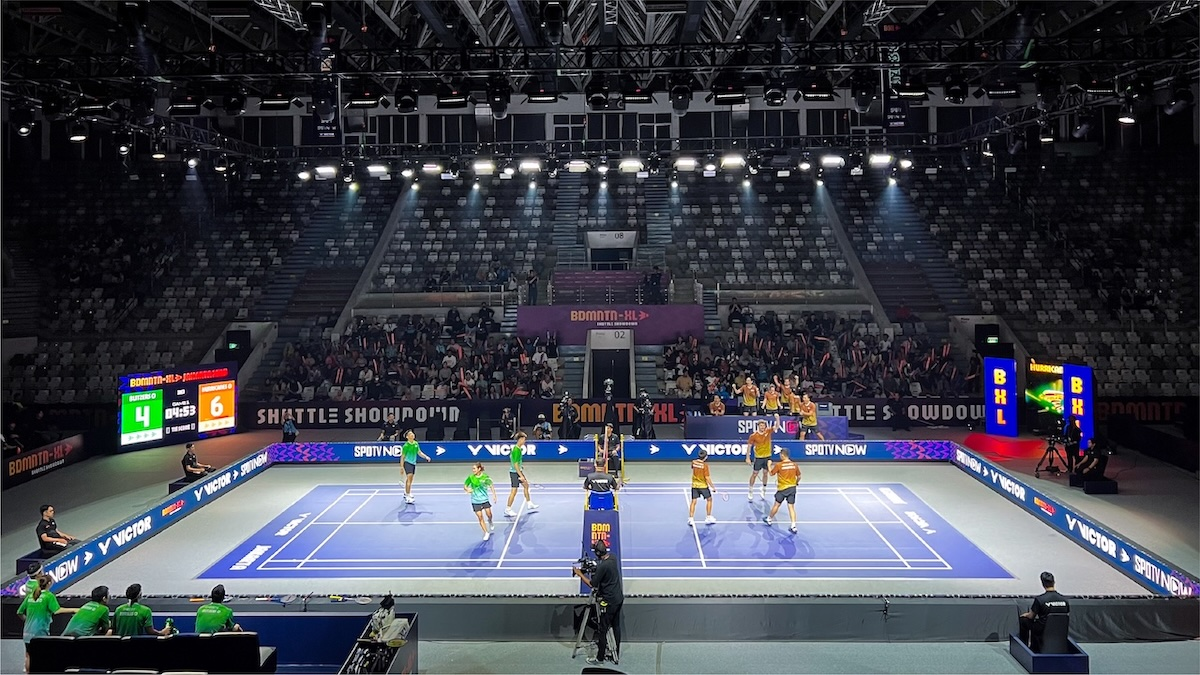 Image source: Kin.net | BXL2025 Making Badminton Xtreme and Limitless
A Story of Ambition with Execution Risk
Kin Global’s IPO reflects a transition from event operator to infrastructure-focused platform.
The opportunity is credible, but so are the risks.
Investors must decide whether this is:
- A scalable platform benefiting from structural tourism demand, or
- A business temporarily boosted by a small number of large contracts
The scepticism raised in the discussion is not misplaced. It is exactly what investors should be applying at this stage.
Learn more about the interview here.
Let us know what you think about this topic, and what do you want to hear next.
You can now be our community contributor and make a pitch to have your favourite personality be on our show.
Join our community group and drop us your insights on this topic.





Let us know what you think of this post