
-3.png?width=50&name=Square%20(2)-3.png)

Singapore Budget 2026's revenue analysis reveals a tale of two tax systems: one capturing unexpected corporate profit windfalls, another plodding along as consumption remains tepid. The gap between these growth rates raises fundamental questions about Singapore's tax progressivity.
The S$2.57 Billion Corporate Tax Surprise
Corporate Income Tax (CIT) collections for FY2025 came in at S$35.24 billion, a staggering S$2.57 billion (7.9%) higher than the original estimate of S$32.67 billion. The Ministry of Finance's explanation: "stronger-than-expected economic growth in 2024."
For FY2026, CIT is projected to climb further to S$37.77 billion, representing another 7.2% increase. Corporate Income Tax now represents 28.0% of Singapore's operating revenue, the single largest source, ahead of even GST.
Let's add context: Singapore's statutory CIT rate remains at 17%, one of the lowest among developed economies. Whilst absolute collections are impressive (S$37.77 billion is substantial), the effective tax burden on corporate profits remains globally competitive by design.
The S$2.57 billion windfall suggests corporate profitability significantly outpaced official forecasts. Yet there's been no discussion of whether Singapore is capturing an appropriate share of these exceptional profits for public coffers, or whether the 17% rate, set during different economic conditions, remains optimal.
GST Growth at Half the Pace of Corporate Profits
In stark contrast, Goods and Services Tax collections tell a more mundane story. From S$21.30 billion in FY2025 to an estimated S$22.25 billion in FY2026, GST is growing at 4.5%, less than half the rate of corporate tax growth.
GST represents 16.5% of total operating revenue. With the rate having increased to 9% in January 2024, this modest growth trajectory suggests consumption patterns are stabilising rather than surging.
The mathematics here are straightforward but uncomfortable: regressive consumption taxes that disproportionately affect lower and middle-income households are trudging along at 4.5%, whilst taxes on corporate profits (which largely benefit shareholders and higher earners through returns on capital) are smashing forecasts by nearly 8%.
Personal Income Tax collections also grew, from S$20.64 billion (revised FY2025) to a projected S$21.80 billion (FY2026), a 5.6% increase. This growth, driven by wage increases and employment gains, still lags corporate profit growth.
Who Really Pays for Singapore's Budget?
Total Operating Revenue for FY2026 is projected at S$134.75 billion. The breakdown reveals which Singaporeans are funding the nation's spending:
- Corporate Income Tax: S$37.77B (28.0%)
- Goods and Services Tax: S$22.25B (16.5%)
- Personal Income Tax: S$21.80B (16.2%)
- Vehicle Quota Premiums: S$9.42B (7.0%)
- Foreign Worker Levy: S$7.46B (5.5%)
- Asset Taxes (Property): S$7.32B (5.4%)
On paper, Singapore's tax mix appears reasonably diversified. But the growth differentials tell a different story: capital (corporate profits) is outperforming labour (wages and consumption) by significant margins, yet tax policy hasn't adjusted to capture more of these exceptional corporate gains.
The Progressive Tax Question Nobody's Asking
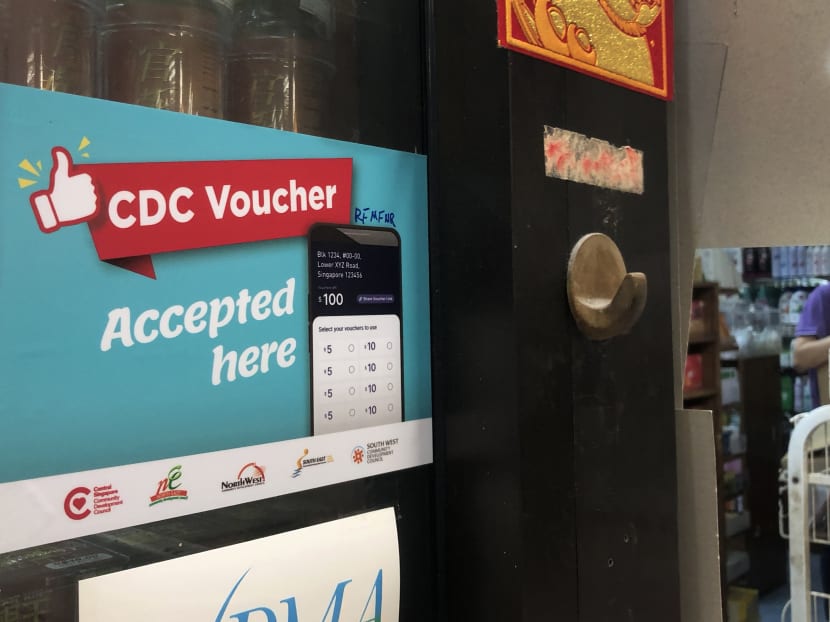
Singapore's political leadership frequently emphasises fiscal prudence and shared sacrifice. Budget 2026 includes S$10.4 billion in support packages—household cash payments, CDC vouchers, preschool subsidies, and CPF top-ups for seniors.
These are meaningful interventions. But they're funded partly by consumption taxes that hit lower-income households hardest proportionally, and partly by income taxes on labour.
Meanwhile, corporate tax collections surge S$2.57 billion above projections with little public discourse on whether the 17% rate remains appropriate given:
- Exceptional profit growth outpacing forecasts
- Singapore's need to fund aging population healthcare (MOH budget up 8.4%)
- Infrastructure investments (development expenditure up 10.3%)
- Rising cost-of-living pressures on households
The Budget documents show Stamp Duty collections (largely from property transactions) jumped S$0.88 billion (14.9%) above estimates to S$6.80 billion in FY2025, suggesting asset wealth is also growing faster than projected.
International context matters: Singapore competes for corporate headquarters and investment with jurisdictions like Hong Kong (16.5% CIT), Ireland (12.5% for most firms), and Switzerland (11.9-21.6% depending on canton). But Singapore also competes with nations that tax capital gains, dividends, and wealth more aggressively.
The question isn't whether Singapore should abandon its competitive corporate tax rate, that would be economically foolish. The question is whether the current rate, set years ago, optimally balances competitiveness with revenue adequacy given today's exceptional corporate profit growth.
When CIT surges 7.9% above expectations whilst GST plods along at 4.5%, and when nearly S$12 billion flows from vehicle-related charges hitting middle-class families, it's worth interrogating whether this revenue balance reflects Singapore's social compact principles.
Finance Minister Lawrence Wong has championed "shared sacrifice" and "fair burden-sharing." The FY2025 revenue data suggests corporations are thriving beyond expectations. Are they sharing enough of that unexpected prosperity?
Let us know what you think about our Budget 2026 topic, and what do you want to hear next.
You can now be our community contributor and make a pitch to have your favourite personality be on our show.
Join our community group and drop us your insights on this topic.
References
- Ministry of Finance Singapore, Revenue and Expenditure Financial Year 2026
- Ministry of Finance Singapore, Budget 2026 Speech
- Channel NewsAsia, Budget 2026: Surplus for FY2025 revised up sharply




Let us know what you think of this post